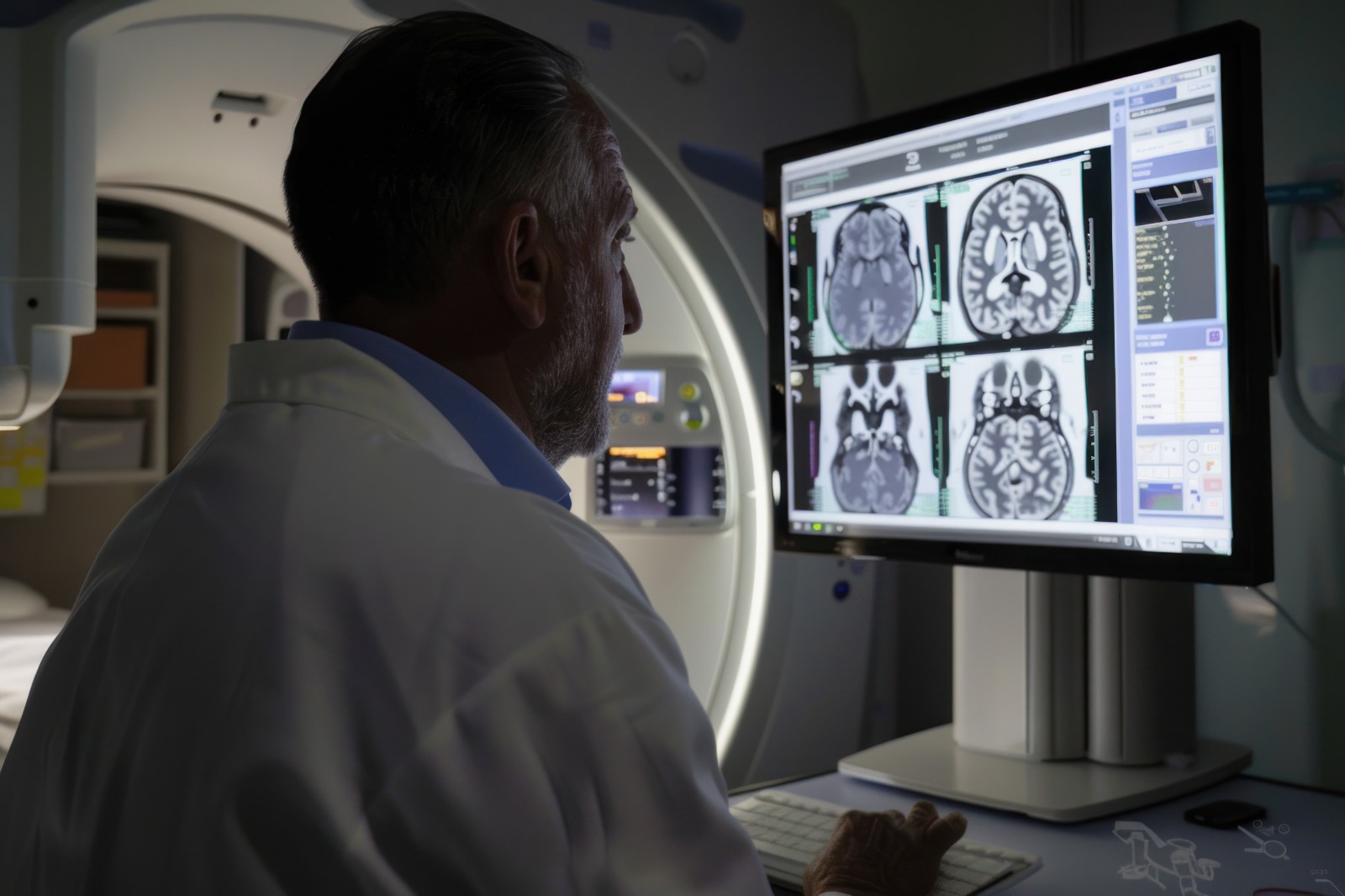
Best Neurologist in Kerala: A Practical Guide to Choosing the Right Doctor for Your Brain Health
The neurological signs do not show up easily. Persistent headaches, random tingling, forgetfulness, and unexplainable tremors are just a few examples; these signs are usually overlooked until they affect the way we live our lives. Once this happens, it becomes necessary to look for a best neurologist in Kerala who will be able to diagnose the problems correctly. This is exactly what makes the name of Dr. Sujith Ovallath. He has been working as a doctor for more than two decades now, treating patients from Kannur and Calicut.
Here is what should matter in the choice of a neurologist.
Why Does the Right Neurologist Make Such a Big Difference?
The brain and nervous system control nearly everything the body does, which means even minor issues can have wide-ranging effects.
A skilled neurologist doesn't just treat symptoms — they:
- Identify the underlying cause rather than masking discomfort temporarily
- Distinguish between overlapping conditions that share similar symptoms
- Create treatment plans that account for a patient's full medical history
- Recognize when a condition requires specialized intervention beyond medication
- Track subtle changes over time that could signal disease progression
This depth of understanding is what patients are really searching for when they look up the best neurologist in Kerala — not just a diagnosis, but a doctor who connects the dots.
What Conditions Should Prompt a Neurology Consultation?
People often wait too long before seeing a specialist, assuming symptoms will resolve on their own.
Some signs worth acting on sooner rather than later include:
- Frequent or severe headaches that disrupt daily routines
- Tremors, stiffness, or slowness in movement
- Sudden weakness, numbness, or difficulty speaking
- Memory lapses or noticeable confusion
- Seizures or unexplained loss of consciousness
- Persistent dizziness or balance issues
If any of these sound familiar, it's worth reaching out to the best neurologist in Kerala for a proper evaluation rather than waiting to see if things improve.
How Do You Actually Evaluate a Neurologist's Expertise?
With so many options available, narrowing things down can feel overwhelming.
Here's a practical approach:
- Check their educational background – Look for an MD in Medicine followed by DM in Neurology, ideally from a reputed institution
- Ask about subspecialty training – Some neurologists focus specifically on movement disorders, epilepsy, or stroke care
- Look into international exposure – Additional training abroad often means access to newer diagnostic and treatment techniques
- Review their research contributions – Active publication history usually reflects a doctor who stays current with evolving medical knowledge
- Consider hospital affiliations – Access to good diagnostic infrastructure matters just as much as the doctor's own skill
The qualifications of Dr. Sujith Ovallath, who has a Gold Medal in Medicine, DM in Neurology, and Fellowship in Movement Disorders at the University of British Columbia, Canada, are precisely what one looks for in an individual when searching for the best neurologist in Kerala.
What Should You Expect From a Good Neurology Consultation?
A quality consultation goes far beyond a quick prescription. Typically, it involves:
- A detailed discussion of symptom history, including when they began and how they've changed
- A hands-on neurological examination assessing reflexes, coordination, and strength
- Recommendations for imaging or lab work if further clarity is needed
- A clear explanation of the diagnosis in language that's easy to understand
- A treatment plan that's realistic and tailored to the patient's lifestyle
Patients often say the biggest difference between an average visit and a great one comes down to how much time the doctor actually spends listening.
Does Kerala Have Access to Advanced Neurological Treatments?
Yes — and this is often a pleasant surprise for patients who assume they'll need to travel to larger metro cities.
Kerala's healthcare infrastructure has grown significantly, offering access to:
- Advanced imaging and diagnostic technology
- Specialized clinics for Parkinson's and movement disorders
- Deep Brain Stimulation (DBS) therapy for eligible patients
- Multidisciplinary care involving physiotherapy and rehabilitation support
- Ongoing research initiatives improving treatment protocols locally
This increasing infrastructure is among the factors that make patients feel that they do not have to go out of the state to find the best neurologist in Kerala for their neurological conditions.
How Important Is Ongoing Care After Diagnosis?
Neurological conditions, especially chronic ones, rarely end with a single diagnosis.
Long-term management typically requires:
- Regular follow-up visits to monitor progression
- Medication adjustments as symptoms evolve
- Coordination with other specialists when needed, such as physiotherapists or psychiatrists
- Family involvement, particularly for conditions affecting memory or mobility
- Honest conversations about what to expect at each stage
A neurologist who prioritizes this continuity of care tends to deliver noticeably better outcomes than one focused solely on the initial diagnosis.
What Role Does Communication Play in Neurological Care?
Medical expertise matters, but so does how it's communicated.
The best specialists tend to:
- Explain complex conditions without overwhelming medical jargon
- Encourage questions rather than rushing through appointments
- Set honest expectations about treatment timelines and outcomes
- Remain approachable for follow-up concerns between visits
- Involve patients directly in decisions about their own care
These qualities often become just as important as clinical skill when patients decide who to trust with long-term treatment.
Patient Resources
Frequently Asked Questions
01 When should I see a neurologist instead of a general physician?
If symptoms involve the brain, spine, or nerves — such as persistent headaches, tremors, seizures, or memory issues — a neurologist offers more specialized evaluation than general practice alone.
02 Are neurological conditions always serious?
Not always. Some issues, like tension headaches, are manageable and not life-threatening, but a proper evaluation helps rule out more serious underlying causes.
03 How long does it usually take to diagnose a neurological condition?
It varies widely — some conditions are diagnosed in a single visit, while others require ongoing observation and testing over several weeks or months.
04 Can lifestyle changes help manage neurological symptoms?
Yes, in many cases. Diet, sleep, stress management, and physical activity can meaningfully support treatment, though they typically work alongside medical care rather than replacing it.
05 What should I bring to my first neurology appointment?
Bring a list of current medications, any previous test results or imaging reports, and a clear timeline of when your symptoms started and how they've progressed.
06 Is it necessary to travel outside Kerala for advanced neurological treatment?
Not usually. With growing access to specialized clinics and advanced procedures like DBS, many patients now find comprehensive care within the state itself.
Final Thoughts
Neurology should be taken with the same level of importance that one takes their general or heart health issues, perhaps more considering the connection between the nervous system and everyday life.
Selecting a good neurologist goes beyond the professional qualifications but involves choosing a reliable and trustworthy specialist who maintains an open line of communication with the patient. This is why many patients from Kerala seeking to find the best neurologist in Kerala can turn to Dr. Sujith Ovallath.