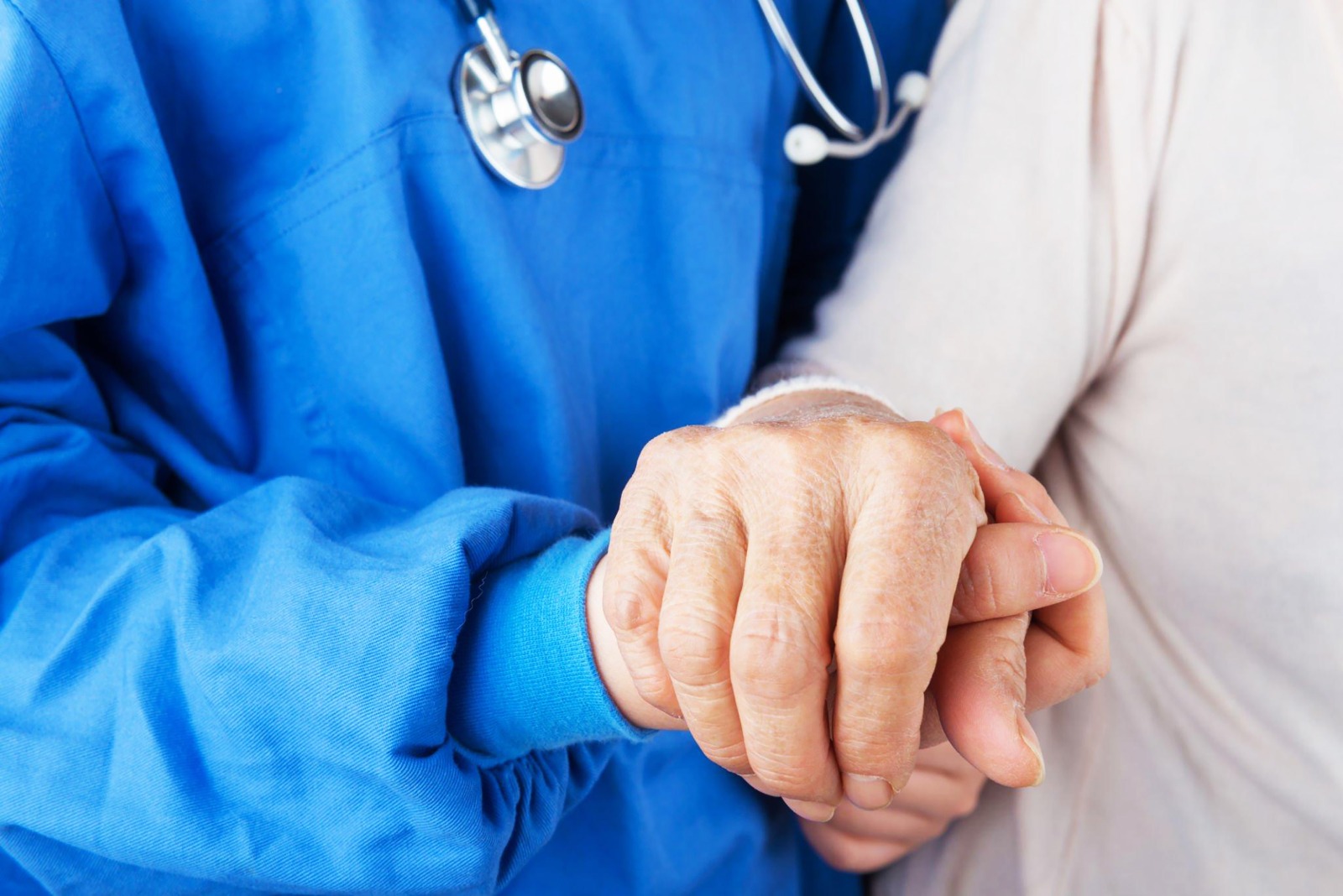
How to Find the Best Parkinson Specialist in India Without the Guesswork
The Parkinson's diagnosis process can sometimes lead to many questions without any clear answers. How do you go about finding a physician who will suit your needs? Is there a difference between an ordinary neurologist and one who is well-versed in dealing with such conditions on a regular basis? This guide helps you answer these questions and understand what qualities a good Parkinson specialist should possess when you are trying to find one in India, especially in Kerala.
Why Isn't Any Neurologist Good Enough for Parkinson's Care?
Neurology is a broad field. A specialist handling migraines, epilepsy, and strokes may only see a handful of Parkinson's cases each year.
Movement disorders, on the other hand, require a much narrower and deeper skill set:
- Recognizing subtle motor symptoms that mimic other conditions
- Understanding how Parkinson's medications interact and evolve over time
- Knowing when a patient has become a candidate for surgical intervention
- Managing non-motor symptoms like sleep disturbances, mood swings, and cognitive changes
- Tracking disease progression across years, not just individual appointments
It is here that the distinction exists between a general neurologist and the best Parkinson specialist in India — one who knows all about Movement Disorders and not only neurology in general. The difference may arise not during the process of diagnosis, but during the creation of the therapy based on the diagnosis.
What Are the Real Signs You Need a Specialist?
Many families wait too long before seeking expert help, often mistaking symptoms for normal aging.
Watch for these signals:
- A tremor that appears at rest and improves with movement
- Slower walking pace, shuffling steps, or reduced arm swing
- Smaller, cramped handwriting than before
- A "masked" facial expression with reduced blinking
- Soft, monotone speech that wasn't there previously
- Stiffness in the limbs that doesn't ease with rest
Should you find yourself experiencing more than one of these, it may be worthwhile scheduling a consultation instead of allowing the situation to deteriorate further. The early consultations with the best Parkinson specialist in India will go a long way in making future treatment much more successful, as there will be a lot more planning room involved.
How Should You Evaluate a Specialist's Credentials?
Credentials alone don't guarantee good care, but they're a solid starting filter.
Here's what genuinely matters:
- Formal qualification – A DM in Neurology is the baseline; movement disorder fellowship training takes it further
- International exposure – Specialists trained abroad often bring updated surgical and treatment techniques back home
- Published research – Active contribution to journals or conferences reflects ongoing engagement with the field
- Hospital infrastructure – Access to imaging, DBS facilities, and rehabilitation support matters as much as the doctor's skill
- Patient testimonials – Real experiences often reveal more than a resume ever could
- Availability for follow-up – A specialist with a manageable patient load can offer more consistent, personalized care
The educational qualifications of Dr. Sujith Ovallath – MD, DNB, and DM in Neurology, combined with the specialized training he has undergone at the University of British Columbia, Canada – is an example of this. His qualifications have not only made him one of the finest neurologists in India, but have helped him gain a reputation as the best Parkinson specialist in India.
What Does Effective Long-Term Parkinson's Care Look Like?
Parkinson's isn't a condition you treat once and move on from.
It requires an evolving strategy:
- Medication dosages get adjusted as the disease progresses
- Physiotherapy becomes increasingly important for mobility and balance
- Speech therapy may be introduced if voice or swallowing issues develop
- Mental health support helps address anxiety or depression, which are common but often overlooked
- Family caregivers need guidance too, not just the patient
- Nutrition and sleep patterns often need attention as symptoms evolve
A specialist who takes an holistic approach to the condition, not just one that centers around prescribing medication, usually achieves much better results over time. That’s usually what distinguishes a good consultation from something truly life changing.
When Does Deep Brain Stimulation Enter the Picture?
For patients whose symptoms no longer respond consistently to medication, DBS becomes a serious consideration.
Signs this conversation might be necessary include:
- Frequent "on-off" fluctuations despite optimized medication
- Involuntary movements (dyskinesia) becoming disruptive
- Tremors that interfere significantly with daily tasks despite treatment
- Medication side effects becoming harder to manage than the symptoms themselves
However, every specialist does not have the same degree of experience with regard to DBS candidate management. This is yet another reason why one’s efforts to find the best Parkinson specialist in India may eventually result in him/her finding a specialist who has practical experience with movement disorders surgery rather than just referring one to such specialists.
How Can Families Support a Loved One Through This Journey?
Caregiving plays a bigger role in Parkinson's outcomes than most people realize:
- Attend appointments together to track symptom changes accurately
- Help maintain medication schedules, since timing affects effectiveness
- Encourage regular physical activity, which slows functional decline
- Watch for mood or cognitive changes and mention them during consultations
- Be patient — progression varies widely from person to person
- Create a safe home environment to reduce fall risk as mobility changes
It is important that the specialist include the family in the consultations rather than only the patient. Such an approach leads to better trust relationships and alignment about the next steps at all stages.
What Sets Apart a Truly Patient-Centered Approach?
Beyond qualifications and technical skill, the best specialists tend to share a few common traits worth noticing during your first visit:
- They take time to explain the diagnosis in plain language, not just medical jargon
- They ask about how symptoms affect daily life, not just clinical markers
- They set realistic expectations rather than overpromising outcomes
- They stay accessible for questions between appointments
- They treat the patient as a partner in decision-making, not just a case to manage
These qualities often matter just as much as clinical expertise when families are trying to decide who to trust long-term.
Patient Resources
Frequently Asked Questions
01 Is Parkinson's disease hereditary?
In most cases, no. Only a small percentage of cases have a clear genetic link, though family history can slightly raise risk.
02 Can younger people get Parkinson's disease?
Yes. While it's more common after age 60, early-onset Parkinson's can occur in people in their 30s and 40s.
03 How long does it typically take to get an accurate diagnosis?
There's no single test for Parkinson's — diagnosis relies on clinical evaluation over time, sometimes requiring a few visits to confirm.
04 Does diet or exercise affect Parkinson's progression?
Yes, regular physical activity and a balanced diet can meaningfully support symptom management, though they don't replace medical treatment.
05 What questions should I ask during my first consultation?
Ask about the specialist's experience with Parkinson's specifically, available treatment options including DBS, and what long-term follow-up looks like.
06 Can Parkinson's symptoms be mistaken for other conditions?
Yes, essential tremor, certain forms of dementia, and even stress-related tremors can sometimes resemble early Parkinson's, which is why specialist evaluation matters.
Final Thoughts
Choosing the appropriate doctor should never be a guessing game, particularly when it comes to conditions like Parkinson's disease. The appropriate doctor not only has the necessary medical expertise but also possesses immense patience and dedication. As a Parkinson specialist in India, Dr. Sujith Ovallath provides the combination of all these traits, having more than 20 years of specialization and a treatment method that is based on results.